
Do You Have the 'Fringe Sign'? How to Spot Early Traction Alopecia Before It Scars
It can be easy to miss the early signs of hair loss, especially when it's caused by something as common as your hairstyle. Traction alopecia, a condition resulting from constant pulling on the hair, often starts subtly. One key indicator that doctors look for is the 'fringe sign,' which can signal that your hair follicles are under stress before permanent damage occurs. Understanding this sign and other early symptoms is key to preventing lasting hair loss.
Key Takeaways
-
The 'fringe sign' in traction alopecia refers to the presence of retained hair along the front or sides of the hairline, even as hair loss occurs elsewhere due to pulling.
-
Early signs of traction alopecia can include a sore or itchy scalp, small bumps or redness, and thinning hair, particularly around the hairline.
-
Traction alopecia is caused by hairstyles that consistently pull on the hair follicles, such as tight braids, ponytails, weaves, and extensions.
-
Identifying traction alopecia early is important because prolonged tension can lead to permanent hair follicle damage and scarring.
-
Preventing traction alopecia involves altering hairstyles to reduce tension, avoiding harsh chemical treatments, and seeking professional advice if hair loss is noticed.
Understanding the 'Fringe Sign' in Hair Loss
What is the Fringe Sign?
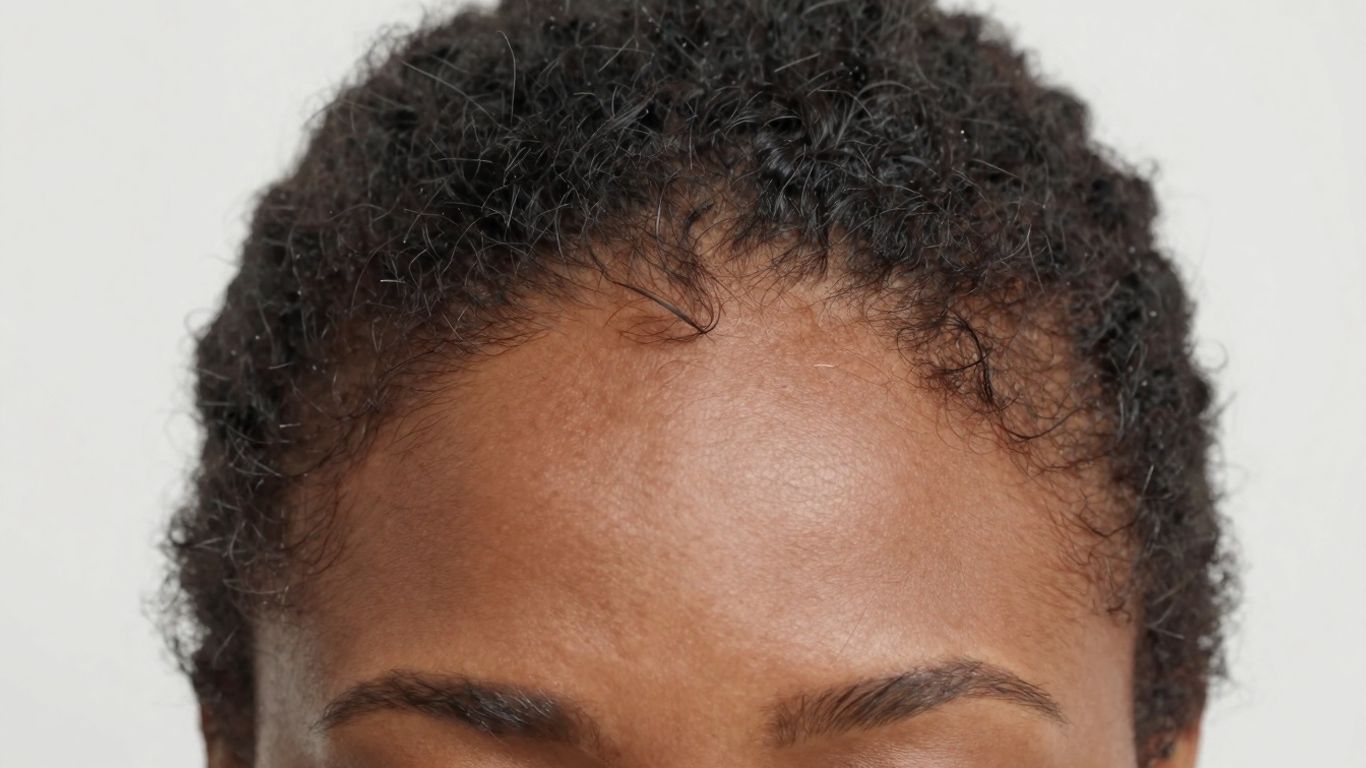
The 'fringe sign' is a specific observation made during the examination of hair loss, particularly in cases of traction alopecia. It refers to the presence of some retained hair along the very edge of the hairline, specifically at the frontal and temporal areas. This means that while the hair further back from the hairline might be thinning or lost, a distinct fringe of hair remains at the outermost border. This retained hair is often finer and less robust than the hair that would typically be there, but its presence is a key indicator. It's a sign that the hair loss is likely due to external pulling forces rather than a systemic condition. The term itself highlights a visual characteristic – a 'fringe' of hair that's left behind.
Identifying the Fringe Sign in Traction Alopecia
Spotting the fringe sign involves a close look at your hairline. Traction alopecia happens when hair is pulled too tightly for too long, like with certain hairstyles. The fringe sign is most noticeable when you look at the front and sides of your head. You might see that the hair right at the very edge of your scalp is still there, but the hair just behind it is noticeably sparser. It's like a border of hair is holding on, while the area behind it is starting to show signs of thinning. This pattern is quite distinct and helps differentiate traction alopecia from other types of hair loss. It's a subtle clue, but a very important one for diagnosis.
The Significance of Retained Hair
The retention of hair in the fringe sign is significant because it suggests that the hair follicles in that specific area are not yet permanently damaged. This is a hopeful sign. It indicates that the hair loss is likely in its earlier stages and is a direct result of the tension applied to the hair. If the tension is reduced and the hair care practices are modified, there's a good chance that the hair in this fringe area, and potentially the areas behind it, can recover and regrow. This is why recognizing the fringe sign is so important; it points towards a reversible cause of hair loss, offering an opportunity for intervention before permanent scarring and follicle destruction occur. Early detection can make a big difference in the outcome, potentially preventing long-term hair loss and allowing you to explore options like edge and hair growth oil to support recovery.
Recognizing Early Signs of Traction Alopecia
Subtle Changes in Your Hairline
Sometimes, the first hint that something's up with your hair isn't a big bald spot, but rather a gradual thinning or a change in how your hairline looks. You might notice that the hairs along your forehead or at the temples seem shorter, finer, or just less dense than they used to be. This can happen because the constant pulling from tight hairstyles, like braids, ponytails, or weaves, puts stress on the hair follicles. Over time, this stress can cause hairs to break off or even stop growing altogether. It's often the hairs at the very front of your hairline that show the first signs of this kind of stress.
Symptoms Beyond Hair Loss
Hair loss isn't always the only thing you'll experience. Your scalp might start to feel different, too. Some people report a feeling of tightness or soreness along the hairline where the tension is greatest. You might also notice increased itching or even some flaking, similar to dandruff, but concentrated in the areas experiencing the most pull. In some cases, small bumps or redness can appear on the scalp, indicating irritation from the constant strain.
The Role of Hair Care Practices
Your daily hair routine plays a big part in whether you develop traction alopecia. Think about how you style your hair most days. Are your braids super tight? Do you wear your ponytail high and pulled back firmly? Do you use extensions or weaves that add weight and tension? These practices, especially when done consistently, are the main culprits. It's not just about the style itself, but how tightly it's applied and for how long. Even seemingly minor habits, like frequently pulling your hair back into a bun with a lot of force, can contribute over time.
Here are some common practices that can lead to traction alopecia:
-
Very tight braids, cornrows, or extensions.
-
Frequent use of tight ponytails or buns.
-
Wearing weaves or wigs that pull on the natural hair.
-
Using hair rollers that create tension overnight.
-
Certain chemical treatments that weaken the hair and scalp, making them more susceptible to damage from tension.

Where recovery actually happens
Edge & Hair Growth Oil
Massaged into the scalp and hairline at night, during the only stretch of the day when nothing is pulling. Traction damage is a tension problem, and the follicle only rebuilds once the tension is gone.
$17.95
Shop Growth Oil →Visual Clues of Fringe Sign Hair Loss
What Traction Alopecia Looks Like
Traction alopecia often shows up along the hairline, particularly at the front and sides of your head. It's caused by constant pulling on the hair, like from tight braids, weaves, or ponytails. You might notice thinning or bald patches where the tension is greatest. Sometimes, the skin in these areas can look a bit red or even have small bumps, especially if the pulling is ongoing. It's not just about losing hair; the scalp itself can show signs of stress.
Distinguishing Between Early and Late Stages
Spotting traction alopecia early is key to preventing permanent damage. In the initial stages, you might see finer, shorter hairs mixed in with your normal hair, and the overall density might decrease. The fringe sign is a classic indicator here – it means you still have some hair along the very edge of your hairline, but it gets sparser further back. This retained hair acts like a fringe, showing where the pulling started. As it progresses to later stages, the hair follicles can become permanently damaged. The skin might start to look smoother and shinier because the hair is gone for good. You might also see broken hairs or hairs with split ends near the affected areas.
The Appearance of Affected Scalp Skin
When traction alopecia is in its early phases, the scalp skin usually looks pretty normal, maybe just a little sensitive or sore to the touch. However, if the pulling continues, you might start to see some changes. Redness, small pimples, or even white flakes attached to the hair shafts (sometimes called hair casts) can appear right at the edges of the thinning areas. These are signs that the scalp is irritated. In more advanced cases, where the hair loss is long-term, the scalp can become smooth and scarred, indicating that the hair follicles have been permanently damaged and are unlikely to regrow hair. It's important to pay attention to these subtle changes on the scalp itself, not just the hair loss.
Here's a quick look at what to expect:
-
Early Stage:
-
Thinning hairline
-
Presence of the 'fringe sign' (retained hair at the very front)
-
Scalp may feel tender or sore
-
-
Late Stage:
-
Visible bald patches
-
Smooth, shiny scalp appearance
-
Potential for scarring
-
Addressing traction alopecia early can make a significant difference in the outcome. If you're noticing these visual clues, it's a good time to re-evaluate your hairstyles and consider using products designed to support hair health, like an Edge & Hair Growth Oil.
It's also helpful to know that sometimes, other types of hair loss can look similar. For instance, conditions like alopecia areata or frontal fibrosing alopecia have different visual markers under a microscope or dermatoscope, which is why a professional diagnosis is so important if you're concerned.
When to Seek Professional Diagnosis
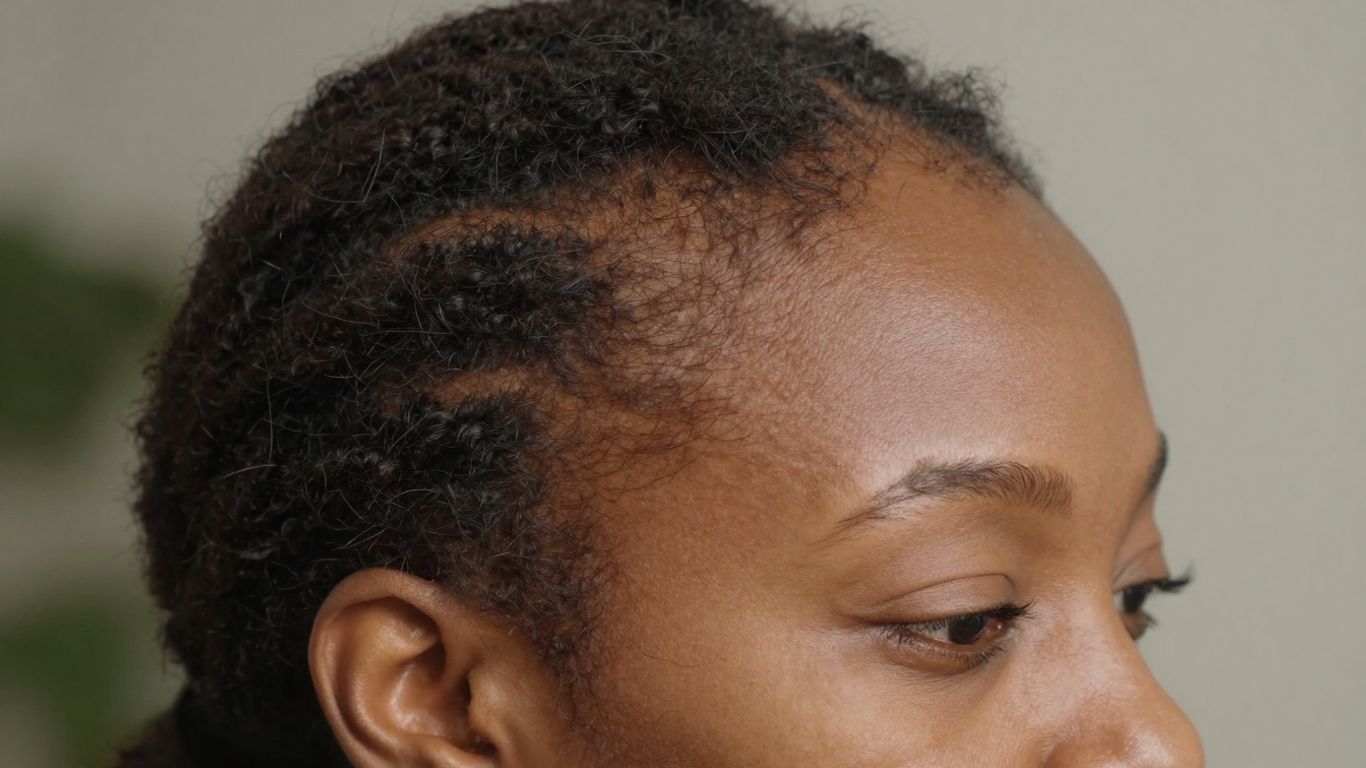
If you're noticing changes in your hairline or experiencing hair thinning, it's a good idea to get it checked out by a professional. Sometimes, what seems like simple hair loss could be something that needs specific attention to prevent lasting damage. A doctor or dermatologist can help figure out exactly what's going on.
Physical Examination and History
When you visit a doctor, they'll start by asking you questions about your hair care habits and when you first noticed the hair loss. They'll also do a close look at your scalp and hairline. This initial conversation and visual check are often enough to get a strong idea of what might be causing the problem. They'll be looking for patterns that suggest traction alopecia, like thinning along the hairline where hairstyles put stress on the hair. They might also ask about any discomfort or itching you're experiencing.
Dermoscopy for Detailed Analysis
To get a clearer picture, a dermatologist might use a dermatoscope. This is a special magnifying tool that lets them see your scalp and hair follicles in much greater detail than the naked eye. It can help spot subtle signs like broken hairs, miniaturized hairs (hairs that are becoming finer and shorter), or a reduced number of hair follicles. This tool is also really helpful in telling the difference between traction alopecia and other types of hair loss, such as alopecia areata or frontal fibrosing alopecia, which can sometimes look similar at first glance. Getting a precise diagnosis is key to effective treatment.
Histopathology in Traction Alopecia
In some cases, a small skin sample, or biopsy, might be taken from the affected area of your scalp. This sample is then examined under a microscope. This process, called histopathology, can show specific changes in the hair follicles and the surrounding skin. Early on, you might see more hairs in the resting (telogen) phase or hairs that are thinner than normal. In more advanced stages, especially if scarring has begun, the biopsy might reveal a loss of hair follicles and the development of scar tissue. This detailed analysis helps confirm the diagnosis and assess the extent of any damage, guiding the best course of action for your hair loss condition.
-
Early Stage Indicators: Increased telogen hairs, trichomalacia (thinned hair).
-
Late Stage Indicators: Reduced terminal hair follicles, replacement by fibrous tracts (scarring).
-
Sebaceous Glands: Generally preserved in early stages, may be affected later.
It's important to remember that seeking professional advice early can make a significant difference in managing hair loss and preventing permanent scarring. Don't hesitate to consult a specialist if you have concerns.
Preventing Scarring from Traction Alopecia
The good news about traction alopecia is that if you catch it early, before significant damage occurs to the hair follicles, you can often reverse the hair loss. The key is to stop the pulling that's causing the problem. Making changes to your hair care routine is the most effective way to prevent permanent damage and scarring.
Modifying Hairstyles to Reduce Tension
Constant tension on the hair and scalp is the root cause of traction alopecia. Think about the hairstyles you wear regularly. Are they pulling your hair tightly? This includes styles like:
-
Very tight braids or cornrows
-
High ponytails or buns
-
Weaves or extensions that add weight and pull
-
Hairpieces secured with clips that tug

Styling that does not add to the load
Strong Hold Edge Control & Loc Gel
Hold that lays the front without heavy pressure or constant re-brushing, and softens off with warm water instead of scraping — because most hairline damage happens at takedown, not application.
$17.95 · free edge brush included
Shop Edge Control →Try to loosen these styles whenever possible. If you wear braids, ask your stylist to keep them looser, especially around the hairline. Rotating your hairstyles can also help distribute the tension, so one area of your scalp isn't constantly stressed. Consider wearing your hair down more often or opting for softer styles that don't pull.
Avoiding Harsh Chemical Treatments
Chemical treatments can weaken the hair shaft, making it more susceptible to breakage when combined with the tension from hairstyles. This is especially true for treatments like:
-
Chemical relaxers
-
Permanent waves
-
Harsh dyes or bleaches
If you use these, try to reduce their frequency or avoid them altogether, particularly if you're already noticing signs of traction alopecia. Heat styling, like using flat irons or curling wands regularly, can also damage hair and contribute to the problem.
The Importance of Early Intervention
Recognizing the early signs, like the 'fringe sign' or noticing thinning at the hairline, is critical. If you see redness, soreness, or small bumps along your hairline, these are also signals that your scalp is under stress. Addressing these symptoms promptly can prevent the follicles from becoming permanently damaged. If the condition progresses, the hair follicles can be destroyed and replaced by scar tissue, leading to irreversible hair loss. In such cases, surgical options like hair transplantation might be considered, but prevention is always the best approach. Don't wait for the hair loss to become severe; take action as soon as you notice any changes.
Traction alopecia can lead to permanent hair loss if not addressed. To help prevent scarring and keep your hair healthy, it's important to understand the causes and take steps to avoid them. Gentle hair care practices are key. Learn more about how to protect your edges and promote hair growth on our website.
Don't Wait for Permanent Damage
Spotting the signs of traction alopecia early, like that "fringe sign" we talked about, is really important. If you notice your hairline looking a bit thinner or feel some soreness, it's a good idea to ease up on those tight hairstyles. Catching it early means you have a much better chance of your hair growing back normally. Ignoring it, though, can lead to permanent hair loss, and that's something nobody wants. So, pay attention to your scalp and hair, and if you're worried, chat with a doctor or a hair specialist. They can help you figure out the best way to protect your hair before it's too late.
Frequently Asked Questions
What exactly is the 'Fringe Sign'?
The 'Fringe Sign' is a term doctors use when they notice that some hair is still growing along the very edge of your hairline, even though the hair behind it is thinning or falling out. Think of it like a small fringe of hair left at the front, while the rest is disappearing. It's often seen in a type of hair loss called traction alopecia.
How can I tell if my hair loss is due to traction alopecia?
Traction alopecia happens when hairstyles pull too tightly on your hair for a long time. Look for thinning or hair loss mainly around your hairline, especially at the front and sides. You might also feel soreness or itching on your scalp. Sometimes, you'll see smaller hairs mixed in with the thinning areas, which can be part of the 'Fringe Sign'.
Can traction alopecia cause permanent hair loss?
Yes, it can. If you keep pulling your hair tightly for a long time, the tiny roots of your hair, called follicles, can get damaged. When these follicles are permanently harmed, they can't grow new hair anymore, leading to bald spots that don't grow back. That's why it's important to spot it early.
What are some hairstyles that can cause traction alopecia?
Hairstyles that pull your hair tight are the main culprits. This includes things like very tight braids, cornrows, ponytails, buns, weaves, and extensions. Even wearing your hair in a tight bun or ponytail every day can put too much stress on your hair follicles over time.
What should I do if I think I have traction alopecia?
The most important step is to change your hairstyle right away! Try to wear your hair looser and avoid styles that pull. If you catch it early, your hair might grow back. It's also a good idea to see a doctor or dermatologist. They can confirm if it's traction alopecia and suggest treatments if needed.
Are there ways to treat traction alopecia?
Yes, especially if you catch it early. The best treatment is to stop the pulling by changing your hairstyles to be much looser. Sometimes, doctors might suggest special shampoos or medicines to help calm down your scalp or encourage hair growth. In cases where hair loss is permanent, options like hair transplants might be discussed, but prevention is key.

Stop the pull, then rebuild
Dynamic Duo Edge Comeback Kit
Hold through the day that adds no tension, and the oil that does the follicle work at night. Ninety days is the honest first checkpoint, and we stand behind it.
$29.95 · ships free
Start the Comeback →90-Day Edge Confidence Guarantee for qualifying bundles only. We handle it.
— CEOLorenze